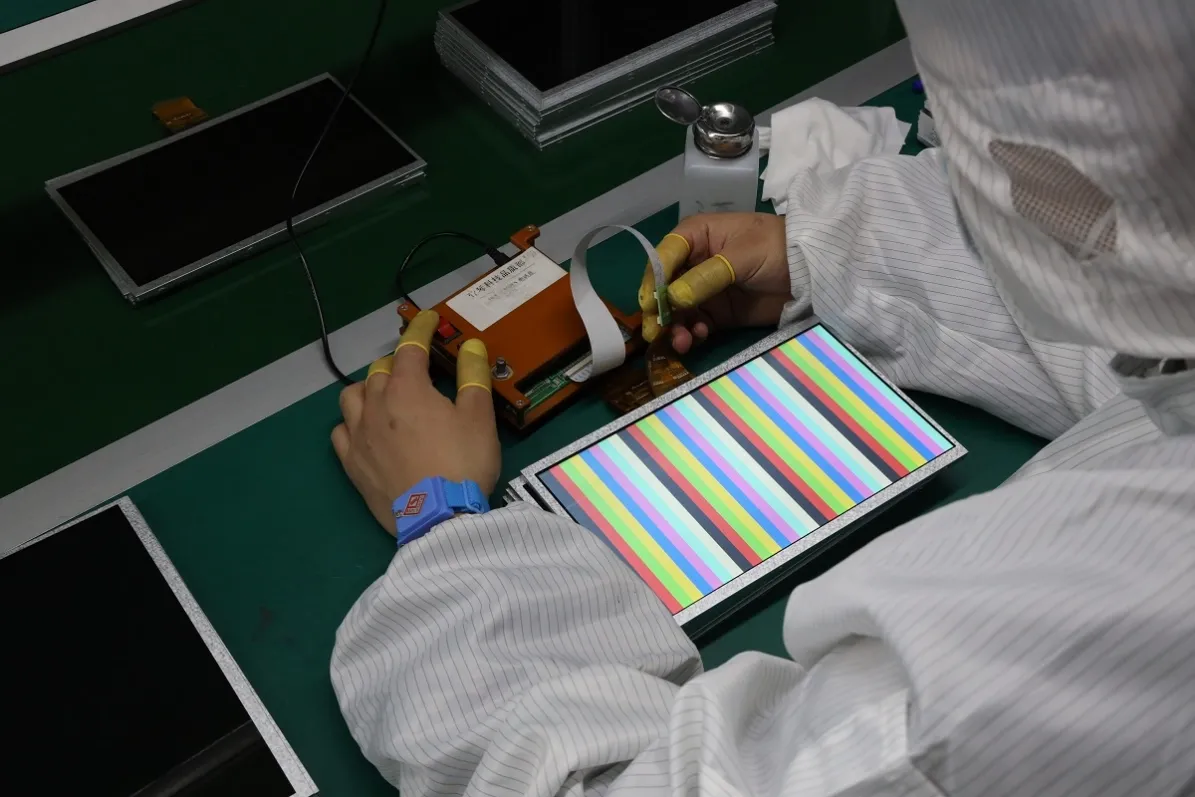
Buying Guides
Difference of Super AMOLED, AMOLED, OLED and LCD
OLED and AMOLED screens offer purer blacks and higher contrast, while LCD screens offer a longer life, no burn-in, and are friendlier to the eyes — how to choose between them.
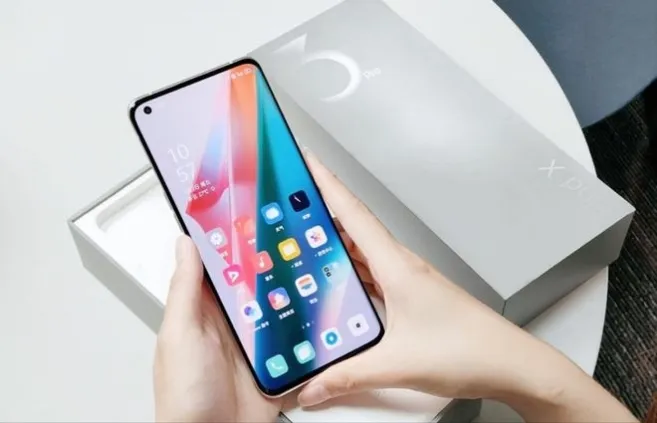
AMOLED and OLED Screens
OLED and AMOLED screens are easy to confuse, and they are widely used in mainstream smartphones. OLED screens are not rigid, so they can be made into irregularly shaped screens, slightly curved screens and waterfall screens. They also offer high light transmittance, which supports under-display fingerprint recognition. Each pixel can be switched on and off independently, so black is the purest and contrast is higher. Turning off the pixels that are not needed saves power. With fewer module layers, OLED offers good light transmittance, higher brightness and a wider viewing angle.
OLED is organic light-emitting display. It needs no backlight because each pixel emits light by itself. OLED offers high brightness, but its pixel arrangement and flicker can tire the eyes more easily, although its display effect is excellent. AMOLED is an extension of OLED. Its power consumption is much lower, and when it displays black, there is no light under the diodes, so black is very black.
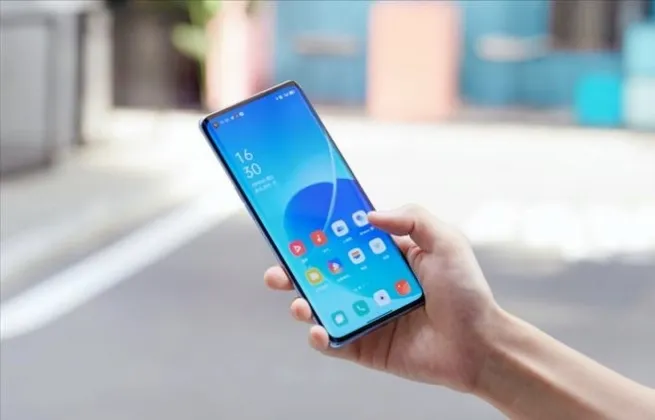
LCD Screens
LCD screens last longer, but they are thicker than AMOLED and OLED screens. At present, all phones that support under-display fingerprint recognition use OLED screens; LCD screens cannot use under-display fingerprint recognition. LCD technology is more mature, and its flicker frequency exceeds 1000 Hz, which is friendlier to the eyes, especially when looking at the screen for a long time in dim light. Most importantly, LCD screens do not suffer from burn-in: displaying a static image for a long time will not burn the screen. In terms of user experience, AMOLED and OLED are the most suitable; in terms of lifespan and eye care, LCD is more suitable. LCD is passive light-emitting: the light source is under the screen, so there is no burn-in, but the phone will be thicker and heavier, and its color and brightness are not as good as OLED. Its advantages are a long lifespan, durability and low maintenance costs.
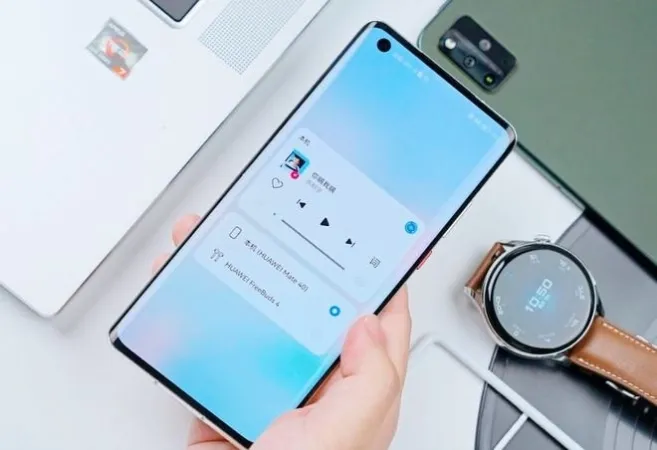
Super AMOLED is essentially the same as AMOLED. It is a technical extension of the OLED panel: the touch reflective layer is built on top of the display layer, which gives better touch feedback. Together with Samsung's exclusive mDNIe engine, it makes the picture more vivid and the module thinner.
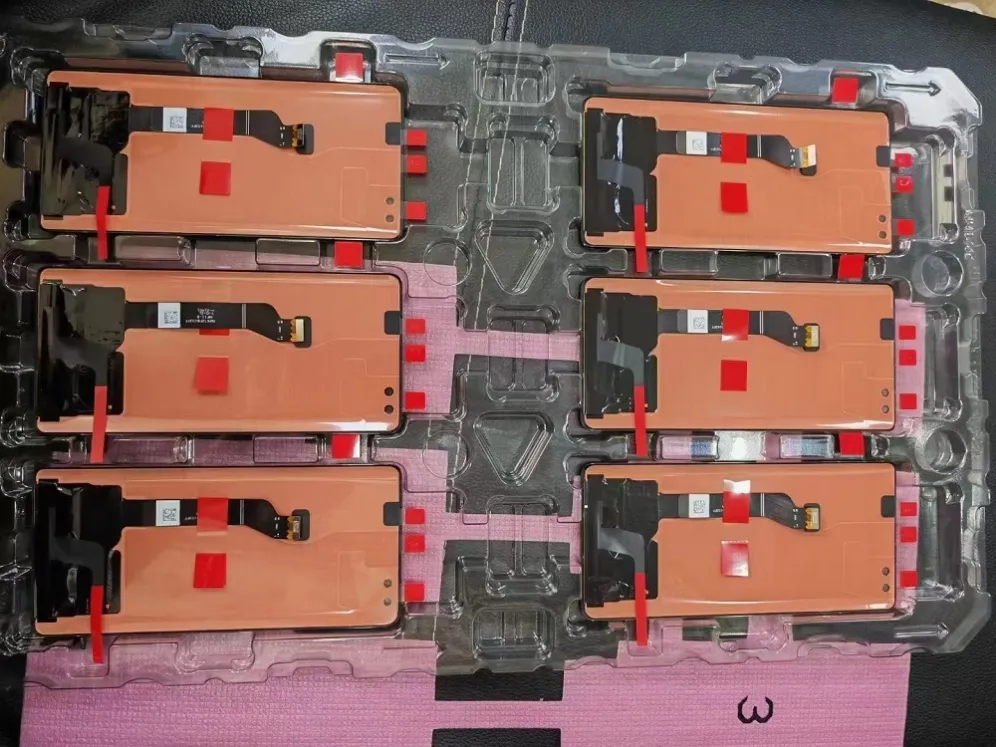
Currently, our company can supply the OLED and AMOLED screens of Samsung, Huawei cellphones etc... Should you have any interests, please kindly contact me at lisa@gd-ytgd.com. We will be at your service at any time.